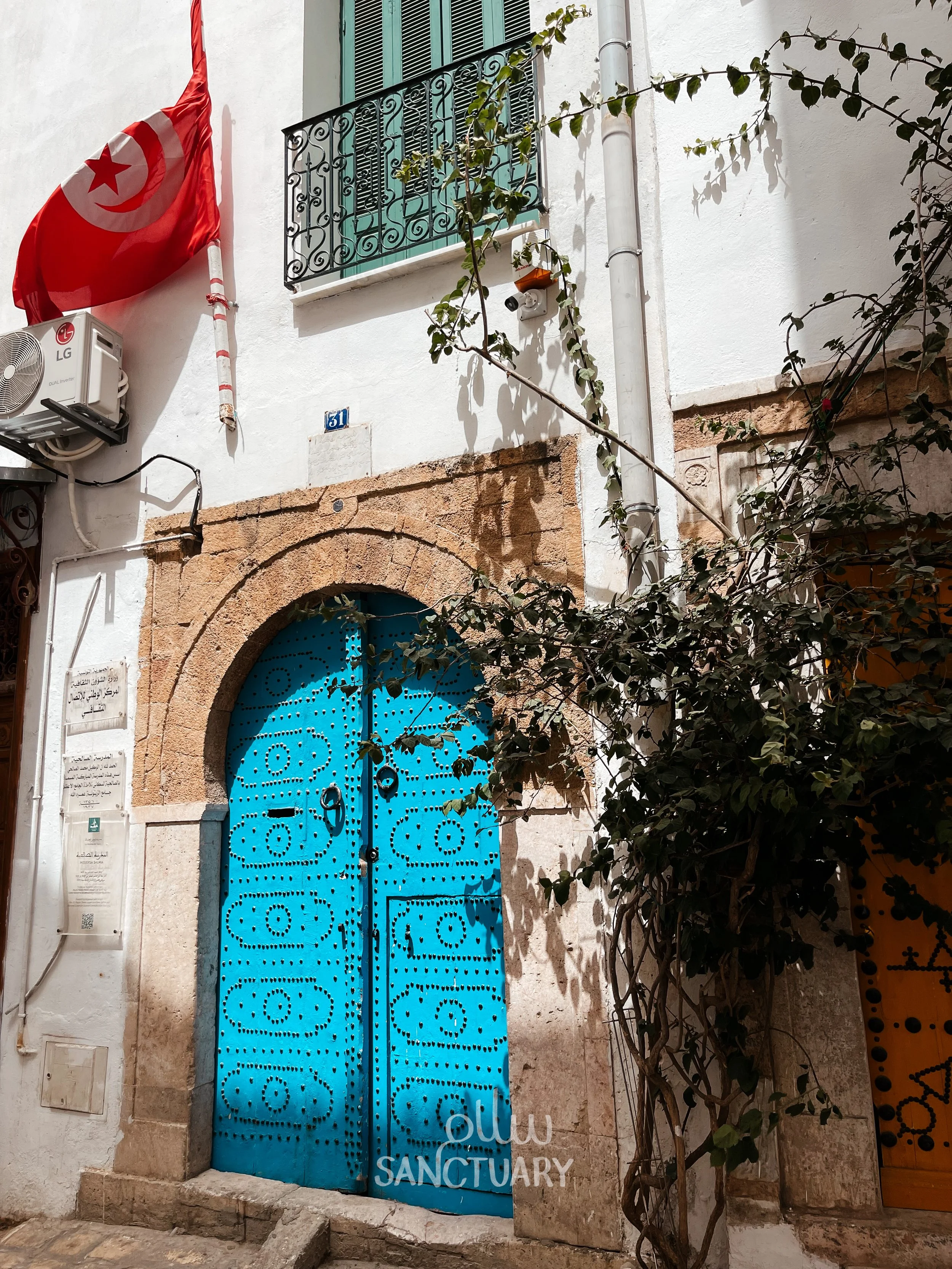
Where to explore in Tunisia
I still dream about the vibrant streets of Tunis and the mosaics of ancient Rome
Sousse
Tucked along the shimmering Mediterranean coast, Sousse wears its nickname, the Pearl of the Sahel, with pride. It's a city that moves between worlds effortlessly: ancient and modern, serene and alive.
At its heart lies a UNESCO-listed Medina, wrapped in fortified walls, where narrow cobbled alleyways open into lively souks filled with leather, pottery, textiles, and the warm scent of spices.
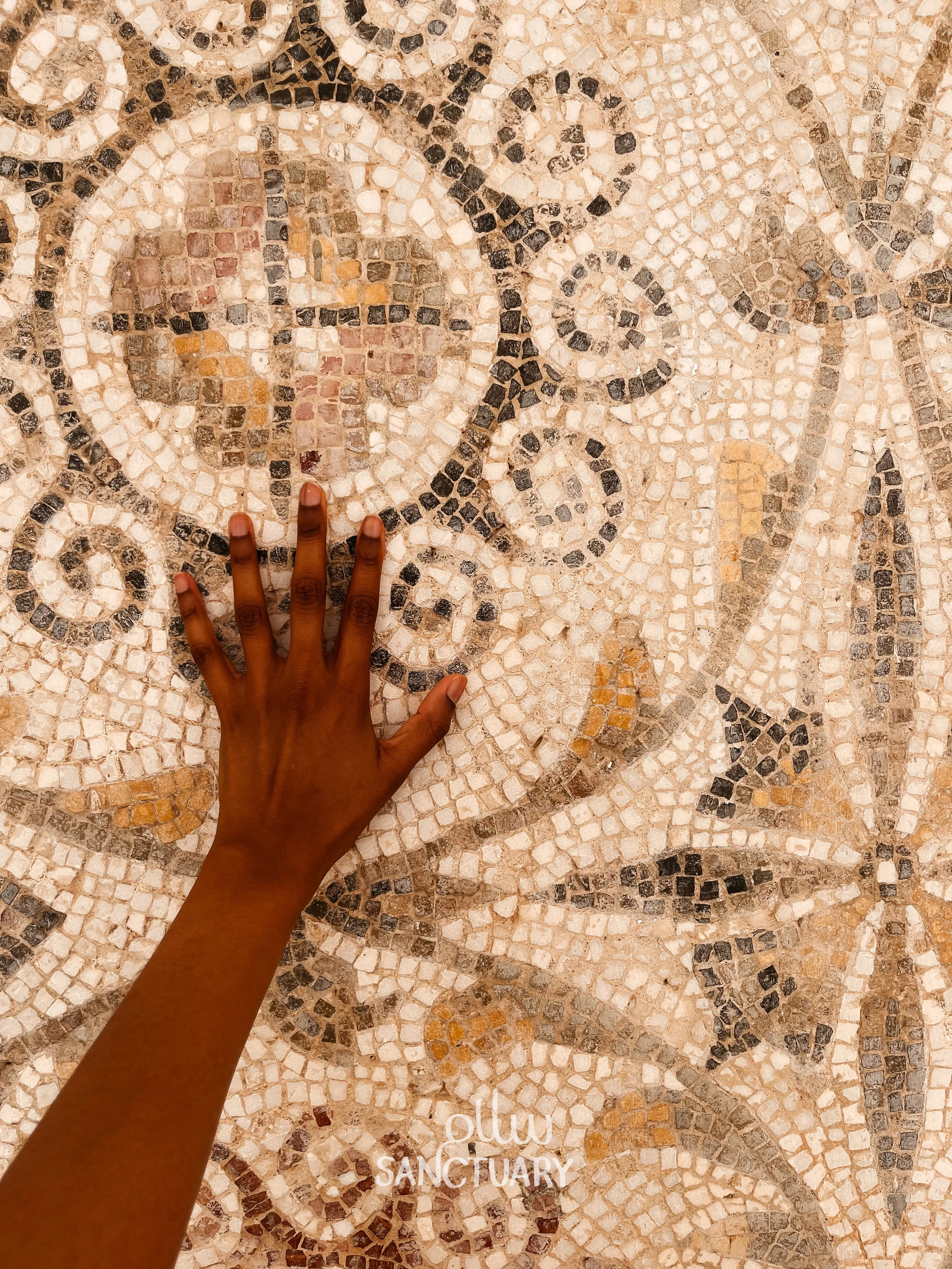
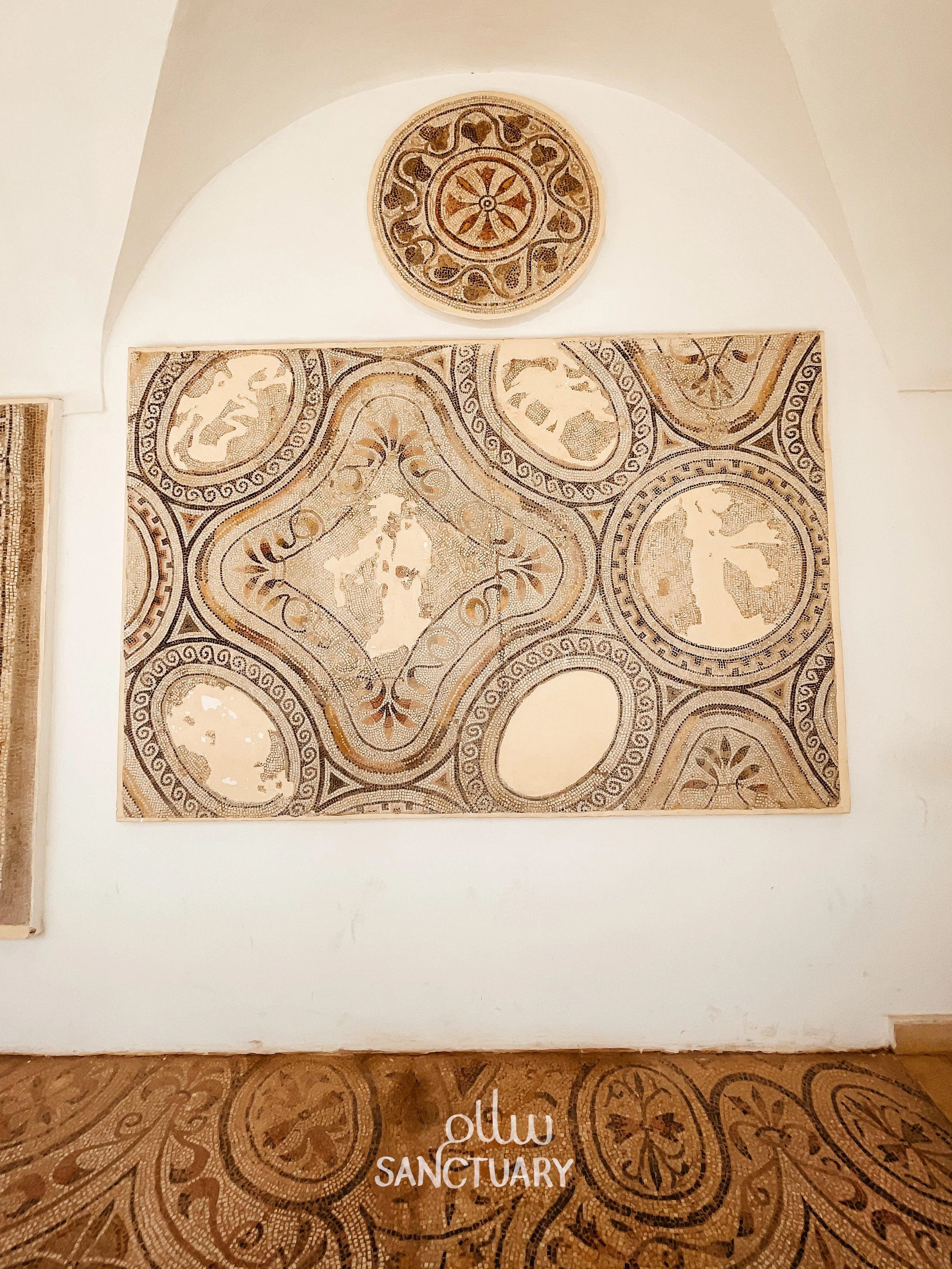
The Ribat of Sousse is one of the city's most iconic landmarks — a beautifully preserved 9th-century fortified structure whose tower rewards climbers with a sweeping panorama of the medina, the harbour, and the sea beyond. Equally unmissable is the Sousse Archaeological Museum, home to one of the finest collections of Roman mosaics in the region, including the celebrated mosaic of Neptune.
Tunis City
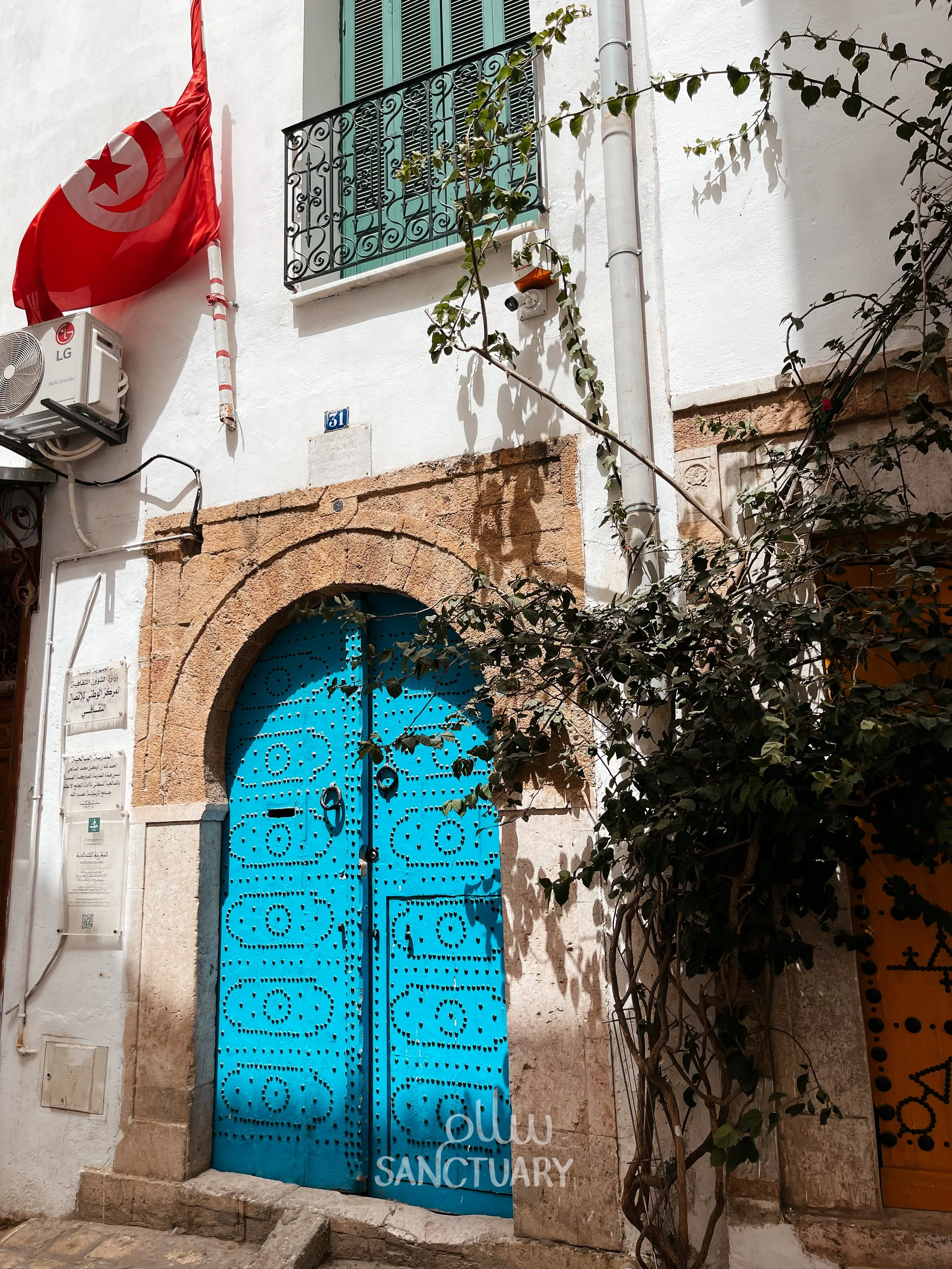
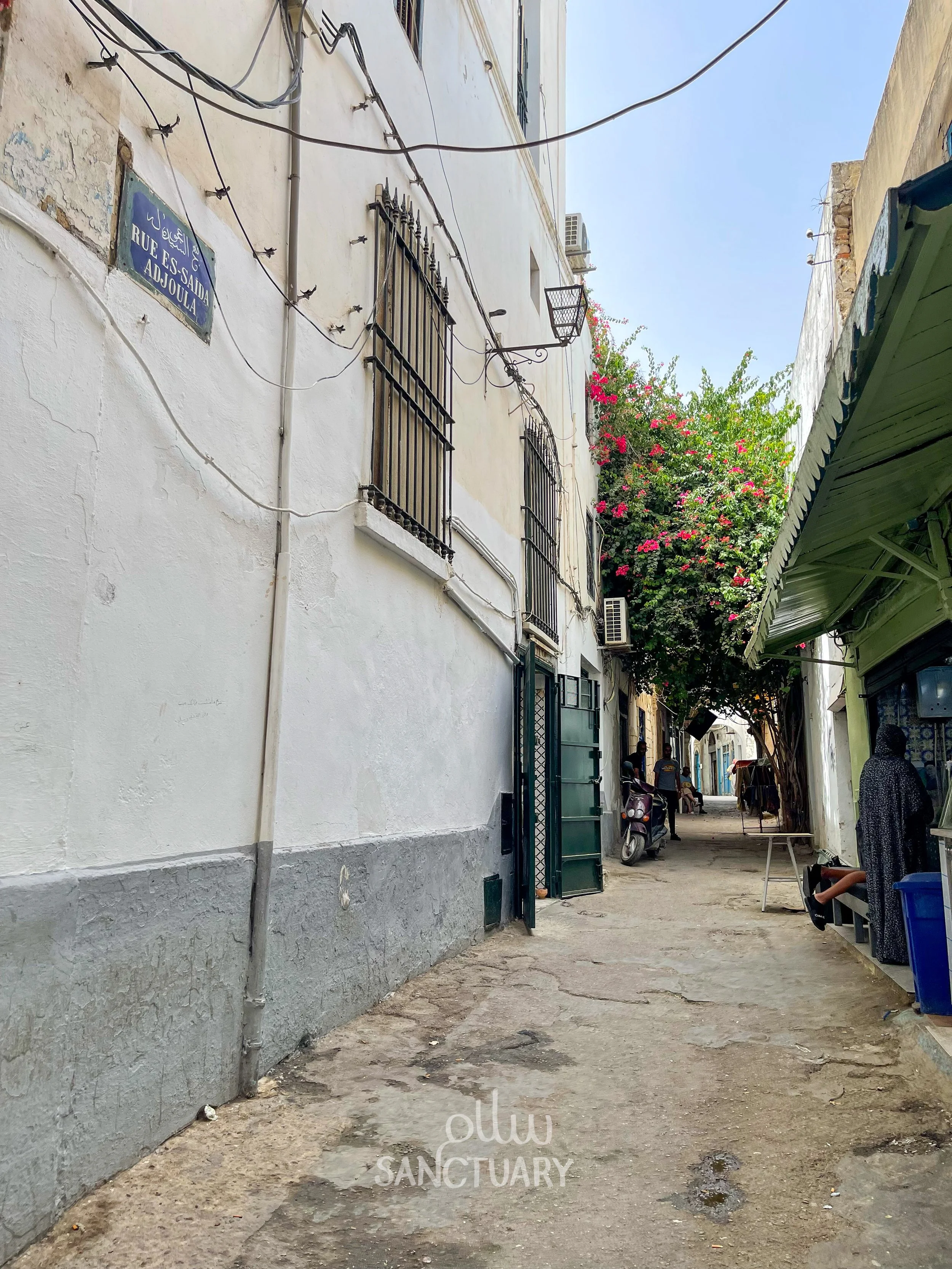
A third Mediterranean, a third European, a third North African — Tunis is perhaps the most layered capital in the Maghreb.
For history that truly overwhelms, the Bardo National Museum holds the largest collection of ancient Roman floor mosaics in the world — alongside Carthaginian, Byzantine, and early Islamic treasures. Plan at least two to three hours; the rooms simply don't end.
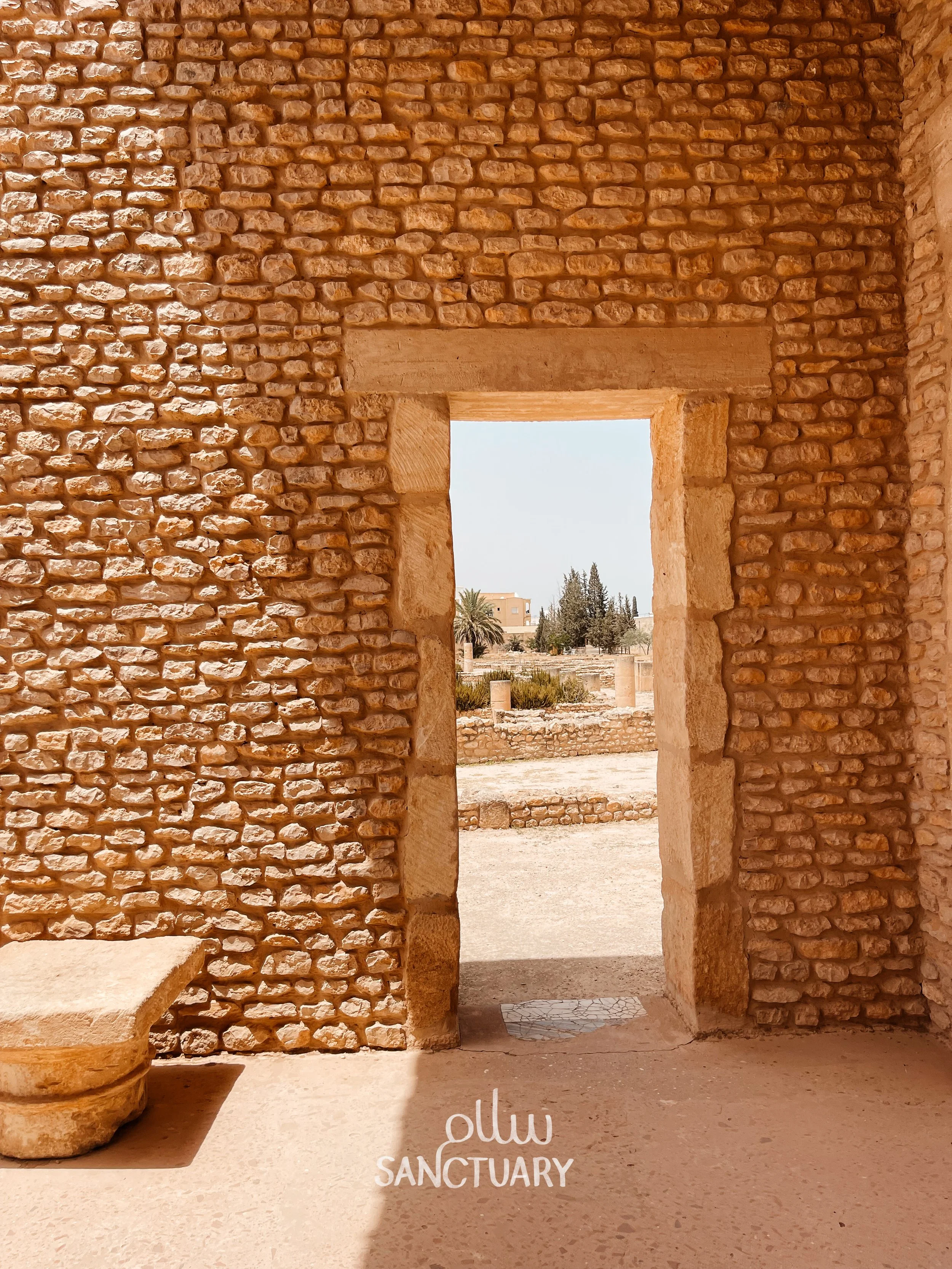
Just a short ride from the city, the ruins of Carthage and the iconic blue-and-white village of Sidi Bou Saïd.
El Jem
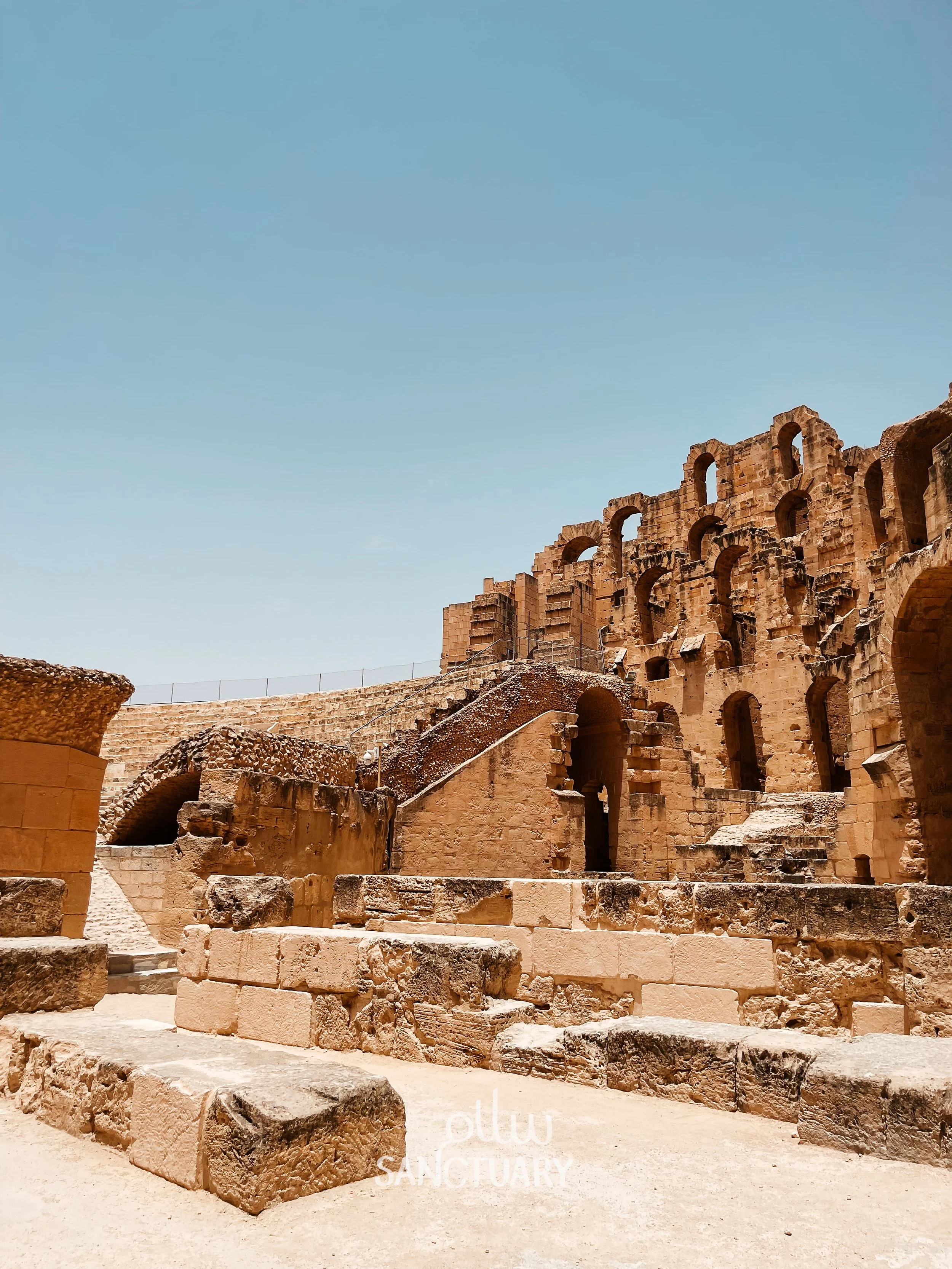
The Amphitheatre of El Jem is a gigantic 3rd-century colosseum, one of the most impressive Roman monuments anywhere in Africa, and a UNESCO World Heritage Site. Built accommodate up to 35,000 spectators, its structure was actually an improved version of the colosseum in Rome.